


Why Hygienic Equipment Design Matters: Key Benefits for Modern Food Factories
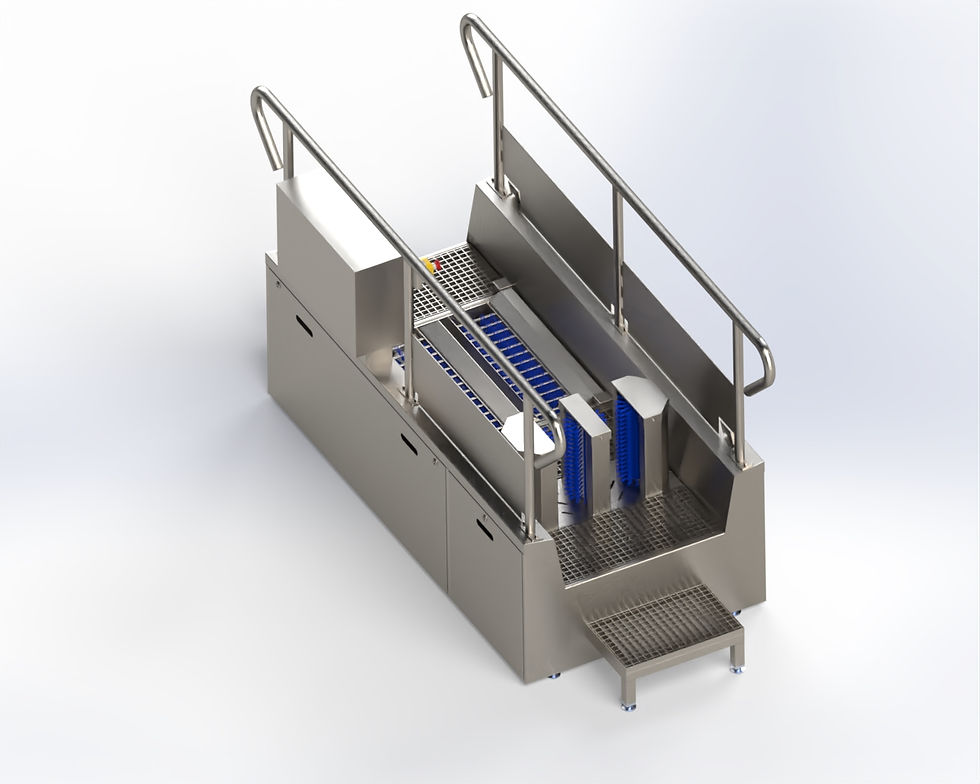
Food Factory Equipment and Hygienic manufacturing and processing equipment play a critical role in maintaining product integrity, protecting consumer health and ensuring regulatory compliance. In today’s competitive landscape, Stainless Steel Food Factory Equipment and Advanced Safety and Hygienic Equipment are no longer optional investments — they are essential components of efficient, future-ready operations. Solutions such as stainless steel hand wash basins, hygiene barriers, boot wash units and PPE storage systems demonstrate how purpose-built hygienic equipment can transform factory performance.

The Role of Hygienic Equipment in Modern food factory Production
Well-designed Food Factory Equipment directly influences food safety, operational efficiency, and overall profitability. Poorly designed machinery can harbour bacteria, create cleaning challenges and increase downtime. In contrast, hygienically engineered systems and hygienic storage racks minimise contamination risks while streamlining production workflows.
Modern food factories must adhere to strict standards set by bodies such as the Food Standards Agency.
Key operational advantages include:
Reduced contamination risk
Faster and more effective cleaning
Lower maintenance costs
Increased equipment lifespan
Improved audit outcomes
For manufacturers aiming to strengthen compliance while enhancing efficiency, upgrading equipment such as hygiene benches, boot racks and integrated hand wash stations is a strategic decision rather than a reactive measure.
Equally important is partnering with a specialist who can support factory planning and site surveys from the very beginning of a project. Engaging an experienced provider such as Gilwood ensures that hygienic equipment is not simply installed, but strategically positioned within a well-considered layout. Early-stage planning allows for correct zoning, logical personnel flow, optimal wash station placement, and clear separation between high-care and low-risk areas.
A professionally conducted factory survey identifies potential bottlenecks, cross-contamination risks, and inefficiencies before installation begins. This proactive approach reduces costly redesigns, improves long-term operational performance, and ensures that hygiene infrastructure supports, rather than restricts, production capacity.
Why Stainless Steel Factory Equipment Is the Industry Standard
Stainless Steel Factory Equipment has become the benchmark in food production environments for good reason. Stainless steel is non-porous, corrosion-resistant, and highly durable — qualities essential for environments exposed to moisture, chemicals and temperature fluctuations.
Grades such as 304 and 316 stainless steel provide resistance against acidic foods and aggressive cleaning agents. Unlike painted or coated materials, stainless steel does not chip or degrade in a way that compromises hygiene. This is particularly important in high-use items such as stainless steel sinks, boot wash stations and hygiene barrier systems.
Beyond durability, Hygienic Stainless Steel Equipment supports:
Easy washdown procedures
Resistance to microbial growth
Long-term structural integrity
Compatibility with high-pressure cleaning systems
The result is equipment that not only performs efficiently but actively supports food safety management systems. Stainless steel trolleys, PPE dispensers and wall-mounted hygiene units all contribute to maintaining clean, organised, and compliant production zones.
Hygiene and Safety Equipment: Safeguarding Workforce and Brand
Comprehensive Hygiene and Safety Equipment extends beyond production lines. Entry control systems, boot washers, hand sanitation stations, and protective guarding systems form critical control points within food manufacturing environments.
Hygiene barrier stations that combine hand washing, sanitising and sole cleaning in one integrated unit help enforce correct hygiene procedures. Wall-mounted glove dispensers, apron dispensers and stainless steel lockers ensure PPE is stored hygienically and accessed in the correct sequence before entering high-care areas.
Effective hygiene barriers prevent contaminants from entering controlled zones. Meanwhile, well-designed layouts incorporating hygiene benches, footwear change stations and ergonomic stainless steel worktables protect workers from injury, reducing lost-time incidents and supporting compliance with UK workplace safety standards.
A facility that integrates hygienic infrastructure demonstrates commitment to both consumer protection and employee wellbeing. In an era where brand reputation can be damaged overnight, proactive investment in safety is an essential safeguard.
Engineering Excellence in Hygienic Equipment Manufacturing
High-quality hygienic equipment relies on precision manufacturing techniques to meet the demands of modern food production environments. Advanced processes such as laser cutting and high-specification welding help create smooth surfaces, consistent finishes, and robust structural integrity across stainless steel equipment.
Precision fabrication plays a critical role in minimising dirt traps, reducing contamination risks, and ensuring equipment can withstand frequent and intensive washdown procedures. Well-executed welds and seamless construction also contribute to easier cleaning and long-term durability.
By combining modern manufacturing methods with skilled workmanship, hygienic stainless steel equipment can deliver reliable performance, support compliance requirements and maintain high standards of hygiene in demanding factory settings.
The Long-Term Financial Benefits of Hygienic Stainless Steel Equipment
While upfront costs for Hygienic Stainless Steel Equipment may appear higher than alternative materials, the total cost of ownership tells a different story.
Long-term financial gains include:
Reduced product recalls
Lower insurance premiums
Extended asset lifespan
Fewer production stoppages
Decreased labour costs linked to cleaning
Equipment designed with hygiene in mind — such as stainless steel wash stations, integrated hygiene barriers and easy-clean storage systems — reduces the likelihood of costly contamination events. Even a single recall can far outweigh the initial investment in high-quality systems.
Forward-looking food manufacturers recognise that hygienic design is not merely about compliance — it is about building resilience into operations. Installing durable stainless steel PPE storage, boot wash units and hygienic handling equipment ensures factories are prepared for audits, growth and evolving regulatory expectations.

Take the Next Step
If your facility is reviewing its infrastructure, now is the time to assess whether your Stainless Steel Factory Equipment meets modern hygienic design expectations.
Partner with Gilwood to take advantage of their comprehensive factory planning and site survey service. By evaluating workflow, zoning, hygiene control points and operational efficiency from the outset, Gilwood ensures your upgraded Hygienic Stainless Steel Equipment is strategically integrated into a fully optimised layout.
Speak with a specialist about upgrading to fully compliant Hygienic Stainless Steel Equipment tailored to your production environment — designed, manufactured and positioned to maximise hygiene, efficiency and long-term performance.


Comments