


Integrating Hygienic Equipment into Food Factory Layouts
Updated: Mar 11
Designing an efficient production space begins with selecting and positioning the right Hygienic Equipment throughout the facility. From raw material intake to finished product dispatch, every stage should incorporate essential systems such as Sink & Washroom Equipment, Changing Room Equipment, Boot Washers, Bogies & Dollies, and Step Units & Gantries to support hygiene, safety and efficient workflow. When hygiene infrastructure is poorly positioned, it can create bottlenecks, increase contamination risks and disrupt productivity across the production line.
Effective factory layout planning integrates Hygienic Food Factory Equipment from the earliest design stage. Rather than adding as afterthoughts, these elements should form part of the facility’s structured workflow. Carefully positioned Hygienic and Production Furniture, mobile handling solutions such as Bogies & Dollies, and access systems including Step Units & Gantries help guide staff movement, support hygiene zoning and reinforce food safety protocols throughout the production environment.

Planning hygienic equipment zones in food industry
In food manufacturing, hygiene zoning is fundamental. High-risk, high-care and low-risk areas must be clearly separated, and hygienic equipment solutions should reinforce these divisions.
When planning zones:
Install hand and boot wash systems at controlled entry points
Use physical barriers or controlled access systems
Position PPE storage and dispensers before high-care areas
Ensure drainage gradients support wash-down processes
Hygiene entrance systems should sit naturally along staff routes. For example, personnel moving from low-risk storage areas into high-care production rooms must pass through a controlled hygiene barrier that includes hand washing, boot washing and PPE application.
Poorly integrated equipment disrupts flow. Correctly integrated systems guide behaviour automatically.
Positioning washroom equipment and boot washers correctly
Strategically located washroom equipment and boot washes in food factory environments are essential for maintaining food safety standards and audit compliance.
Key placement principles include:
Installing hand wash stations at every entry to production areas
Ensuring sinks are visible and easily accessible
Providing adequate space to prevent queuing
Allowing clear access for cleaning and maintenance
Touch-free systems are increasingly specified to reduce cross-contamination. Knee operated sinks and sensor-operated taps, soap dispensers and hand dryers support best practice and reduce water waste.
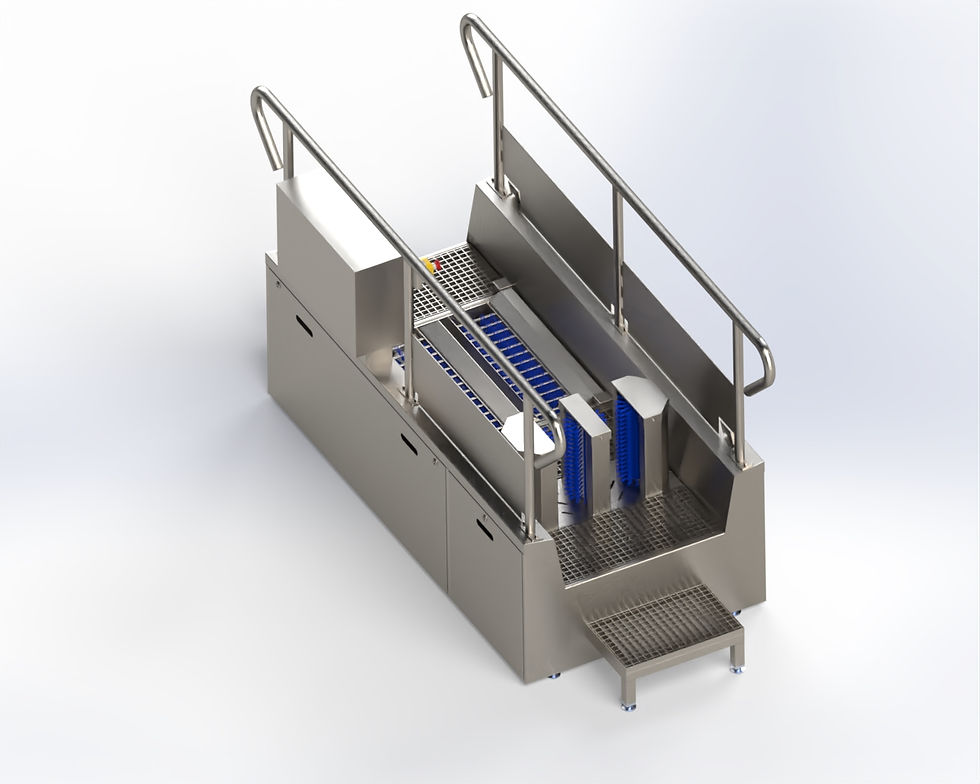
Boot wash stations should be installed where footwear contamination is likely — typically between external yards and internal production zones. The positioning must allow sufficient drainage and avoid water pooling, which can create slip hazards.
The most effective layouts make hygiene unavoidable and intuitive.
Incorporating stainless steel sinks in food production areas
Durability and cleanability are paramount when specifying stainless steel sinks in food production facilities.
Stainless steel remains the material of choice due to:
Corrosion resistance
Smooth, easy-to-clean surfaces
Long service life
Compliance with hygiene standards
Sink placement should support task efficiency. For example:
Preparation sinks near raw ingredient handling areas
Dedicated utensil washing sinks away from product zones
Separate hand wash basins positioned independently from food contact sinks
Cross-contamination risks increase when sinks serve multiple purposes. Clearly designated stations reduce errors and improve audit outcomes.
Wall-mounted and fully welded designs are preferable in high-care environments, as they eliminate crevices where bacteria can accumulate.

Installing glove dispensers in food factories effectively
Correct positioning of glove dispensers in food factories are often overlooked but critically important.
Dispensers should be located:
Immediately after hand washing stations
At entry points to high-care zones
In areas protected from splash contamination
At ergonomic heights for easy access
Stainless steel dispensers offer durability and easy cleaning, while enclosed designs protect gloves from airborne contamination.
Where multiple PPE items are required — such as hairnets, beard snoods and aprons — integrated hygiene stations streamline the process and reinforce compliance.
By aligning PPE access with workflow, facilities reduce unnecessary movement and minimise contamination risk.
Aligning food factory equipment with workflow efficiency
All food factory equipment should support linear workflow and hygiene compliance simultaneously. Equipment that obstructs movement or creates dead space reduces productivity and complicates cleaning regimes.
When integrating hygiene systems:
Maintain clear personnel and product pathways
Avoid crossover between raw and finished goods
Provide sufficient clearance for cleaning teams
Ensure drainage design supports wash-down processes
Modern facilities increasingly adopt modular stainless steel systems that can be reconfigured as production demands change. Flexibility is particularly valuable in growing operations where product lines expand over time.
Early collaboration between equipment suppliers, architects and production managers ensures the facility layout supports both operational efficiency and regulatory compliance.

Planning a new facility or upgrading your existing layout?
Contact Gilwood today to design integrated Hygienic food factory equipment solutions that safeguard hygiene, efficiency and compliance.
Discover Gilwood’s stainless steel glove and PPE dispensing systems, heavy-duty stainless steel sink solutions and modular and bespoke wash station systems here on our website.


Comments